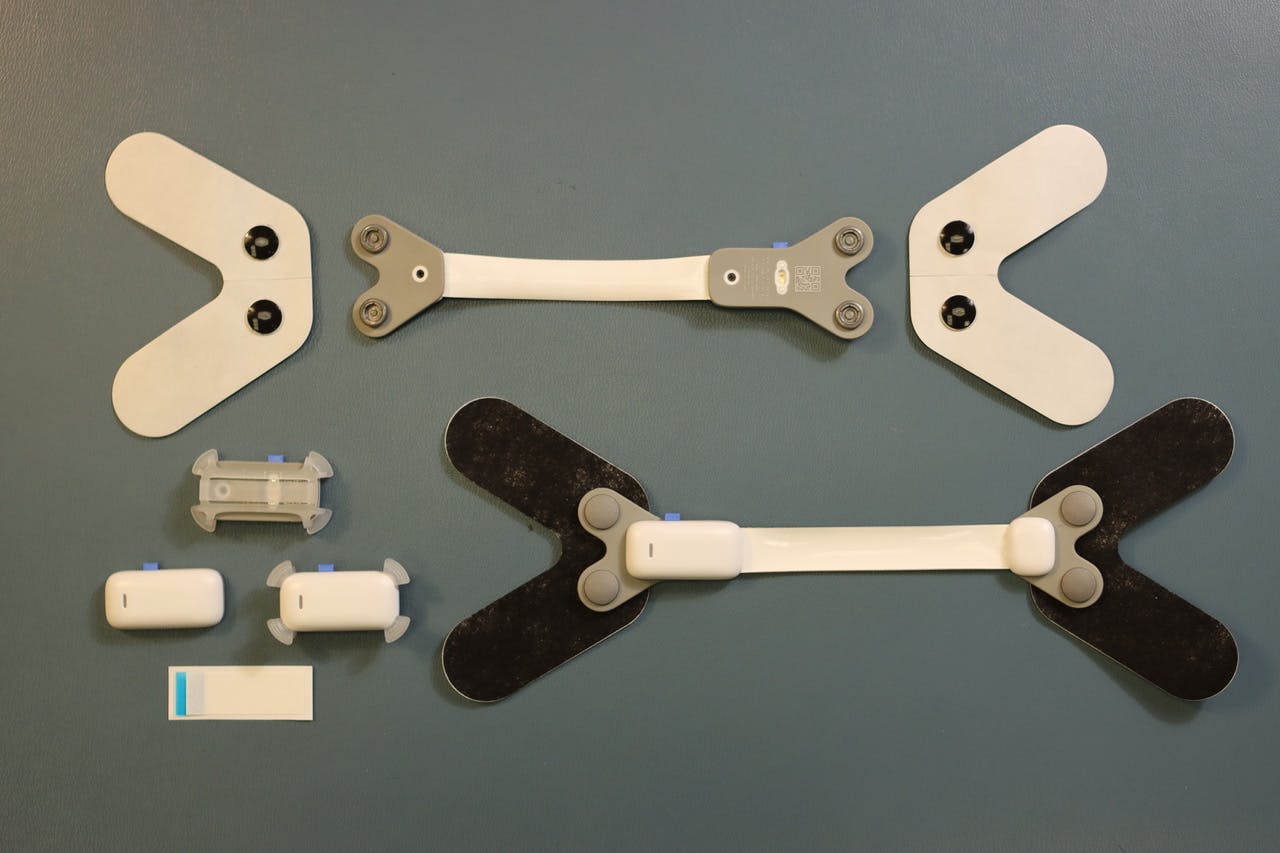
At FIGUR8 we built a better and more cost-effective way to measure muscle function and MSK health and it starts with a simple and elegant solution called surface mechanomyography (sMMG) that allows anyone to capture and analyze muscle information easily.
Musculoskeletal (MSK) health is complex. All the pieces of a person’s MSK system, from ligaments and tendons to nerves, bones and joints, work in concert to maintain the flexibility, stability and strength needed for a healthy, functioning body. If one of these components is not working like it should it can lead to an injury.
As an example, let’s look at a muscle. If a muscle has too much or too little tension in it, or doesn’t contract at the right time or with enough force, it will impact on all of the other tissues and structures in the body. That’s why it is important both before and after an injury to evaluate the strength and endurance of muscles. The problem with traditional assessments of muscle function is that they are either overly subjective and / or overly simplistic. When a clinician asks you to hold your arm in one position and then pushes against it to come up with a score from 0-5 based on how you did, there is subjective bias in that measurement.
Electromyography (EMG) can provide meaningful data, but is not used often because they are expensive, require a high level of technical expertise, and the procedure takes a long time to prepare the skin, ensure good contact with the electrode and process the results.
So what is a surface mechanomyography (sMMG) sensor?
Surface mechanomyography (sMMG) sensors quantify human movement in a unique and novel way. When sMMG sensors are applied across the largest portion of a muscle they can record physical change in the muscles down to the 1/10 of a millimeter (as thin as a single strand of hair) as muscle activation occurs, which allows for extrapolation of meaningful clinical feedback that results from the change in muscle shape during contraction.
The FIGUR8 movement platform uses proprietary sMMG sensor technology (Whitepaper – Figur8 (figur8tech.com)) as a cornerstone in the first musculoskeletal system of its kind that serves as a solution to clinicians and patients looking to accurately pinpoint the source of injury with access to real-time, quantifiable progress of a patient’s MSK health from the moment of injury to the moment of recovery.
The sensors are placed on the skin across the surface of a muscle in order to quantify muscle output, allowing clinicians to collect precise measurements about muscle performance and make data-driven decisions around clinical care, while providing important feedback to the individual patient.
This proprietary sensor technology is taking the guesswork out of MSK care and building a new standard for MSK health. It allows assessments to be conducted quickly, accurately and cost-effectively.
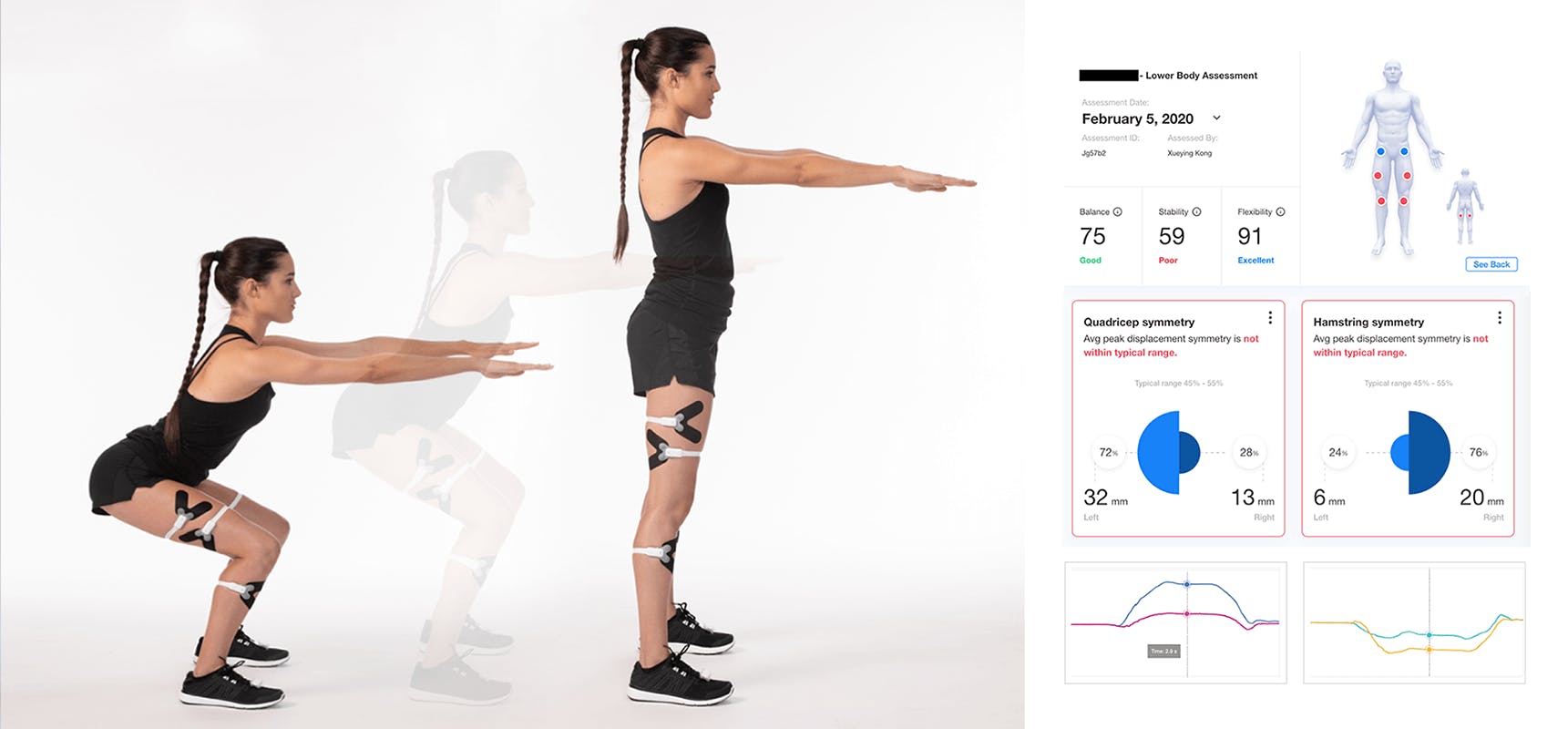
How does this help the individual?
Imagine you pulled a muscle at work and a week later you still have back pain. The kind that is so pervasive you can’t concentrate for more than a few minutes without needing to stand up, sigh and pace the room hoping it’ll go away.
You head to the doctor assigned to you through your company’s workers compensation insurance and get a physical therapy prescription for low back pain. After a quick exam, they hand you a pre-printed paper that reads 8-12 weeks, 3 times a week you will be back in the office. Moments later you are out the door with a piece of paper in your hands.
You do the exercises and you follow the plan but the uncertainty about your recovery remains because the pain, though better, persists and you are also not able to see the changes in your condition. Suddenly, 8 to 12 weeks pass and although you are back at work, you don’t know if you have fully recovered because the pain is still there.
Now erase that picture and instead imagine a different approach to care. One that pinpoints measurable differences in your muscles that are causing the injury.
In your first exam at the physical therapy office, your therapist uncovers your first TrueRecovery score and sees a large discrepancy in the strength of your left hamstring versus the right. A personalized plan is developed, which determines that a focus on strength of your left hamstring will not only alleviate symptoms but over time prevent injuries like this from occurring again.
As you do your therapy you can see your measurements over time and track the progress of your TrueRecovery score, following exactly how your muscles are responding to therapy and watching as your strength improves and balance is restored to your musculoskeletal system.
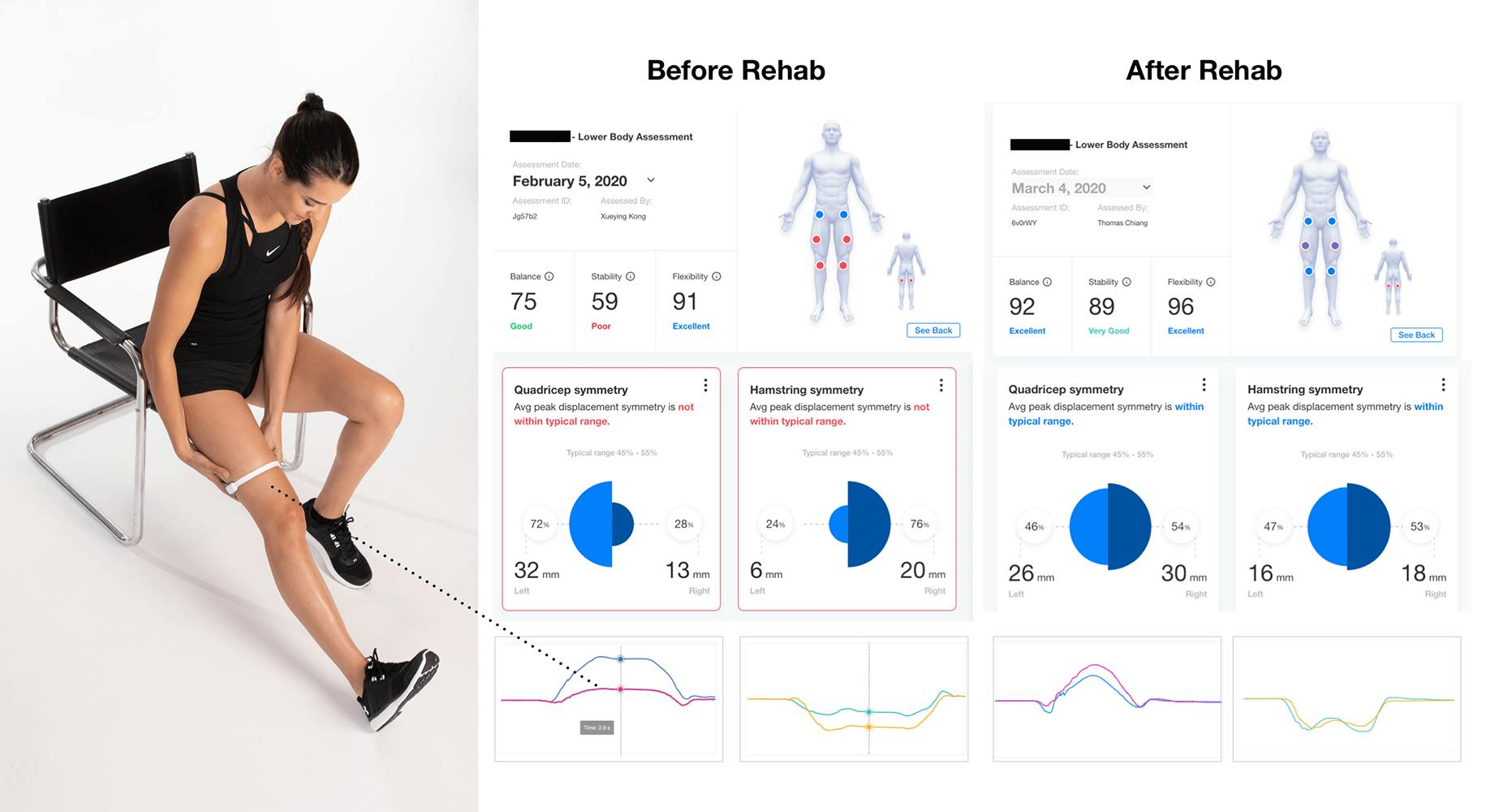
Why does sMMG technology matter?
When you don’t have a biomarker for certain metrics you don’t know if you’re improving or not. Receiving this information throughout your recovery drives patient adherence and gives clinicians meaningful insight into recovery.
Using sMMG technology establishes a new, data-driven standard of care and evaluation for MSK health. At FIGUR8, we are accelerating the adoption of objective, digital MSK evaluations in health systems everywhere. Our wearable platform functions as a biomechanics toolkit in a box and FIGUR8 has packed powerful technology, previously available only to elite athletes and researchers, into a lightweight system that combines clinically smart biosensors, intuitive software and AI to analyze and advance MSK health.
The future is now.
![[object Object]](https://images.prismic.io/figur8tech/Zovpqx5LeNNTw5zJ_Depositphotos_437789926_L.jpg?auto=format,compress)
![[object Object]](https://images.prismic.io/figur8tech/fb70cc79-bce7-401d-b520-f64481a57f15_Depositphotos_174412362_XL-min.jpg?auto=compress,format)
![[object Object]](https://images.prismic.io/figur8tech/ZpjFqh5LeNNTxQaz_unnamed.jpg?auto=format,compress)
![[object Object]](https://images.prismic.io/figur8tech/ZovljB5LeNNTw5wp_Depositphotos_360381548_L.jpg?auto=format,compress)
![[object Object]](https://images.prismic.io/figur8tech/ZiuNiPPdc1huK3Z8_hitrust.png?auto=format,compress)
![[object Object]](https://images.prismic.io/figur8tech/ZiucmPPdc1huK3fe_biomotion-sciences-3.png?auto=format,compress)
![[object Object]](https://images.prismic.io/figur8tech/ZiugufPdc1huK3hc_rehabilitation-1-.png?auto=format,compress)
![[object Object]](https://images.prismic.io/figur8tech/Ziutqt3JpQ5PTM57_Picture1-cover.png?auto=format,compress)
![[object Object]](https://images.prismic.io/figur8tech/ZiuxMt3JpQ5PTM87_Oberlander.jpg?auto=format,compress)
![[object Object]](https://images.prismic.io/figur8tech/ZiulKPPdc1huK3ky_ACL-1.jpg?auto=format,compress)
![[object Object]](https://images.prismic.io/figur8tech/ZiupUvPdc1huK3oT_Back_Picture1_Cover.png?auto=format,compress)
![[object Object]](https://images.prismic.io/figur8tech/ZiunSPPdc1huK3lz_run-1001.jpg?auto=format,compress)
![[object Object]](https://images.prismic.io/figur8tech/ZvMBMrVsGrYSv25U_unnamed.jpg?auto=format,compress)