Care for those with musculoskeletal (MSK) injuries can be wildly complex and the cost that this complexity causes has been astronomical, with direct and indirect costs of MSK conditions approaching $1 trillion dollars annually in the United States. (1)
With the advent of precision MSK management, the tide is turning.
If you are responsible for the health and well-being of your employees, here are the 3 reasons precision MSK management improves your bottom line:
1. Reduce the incidence of MSK injuries by up to 22%.
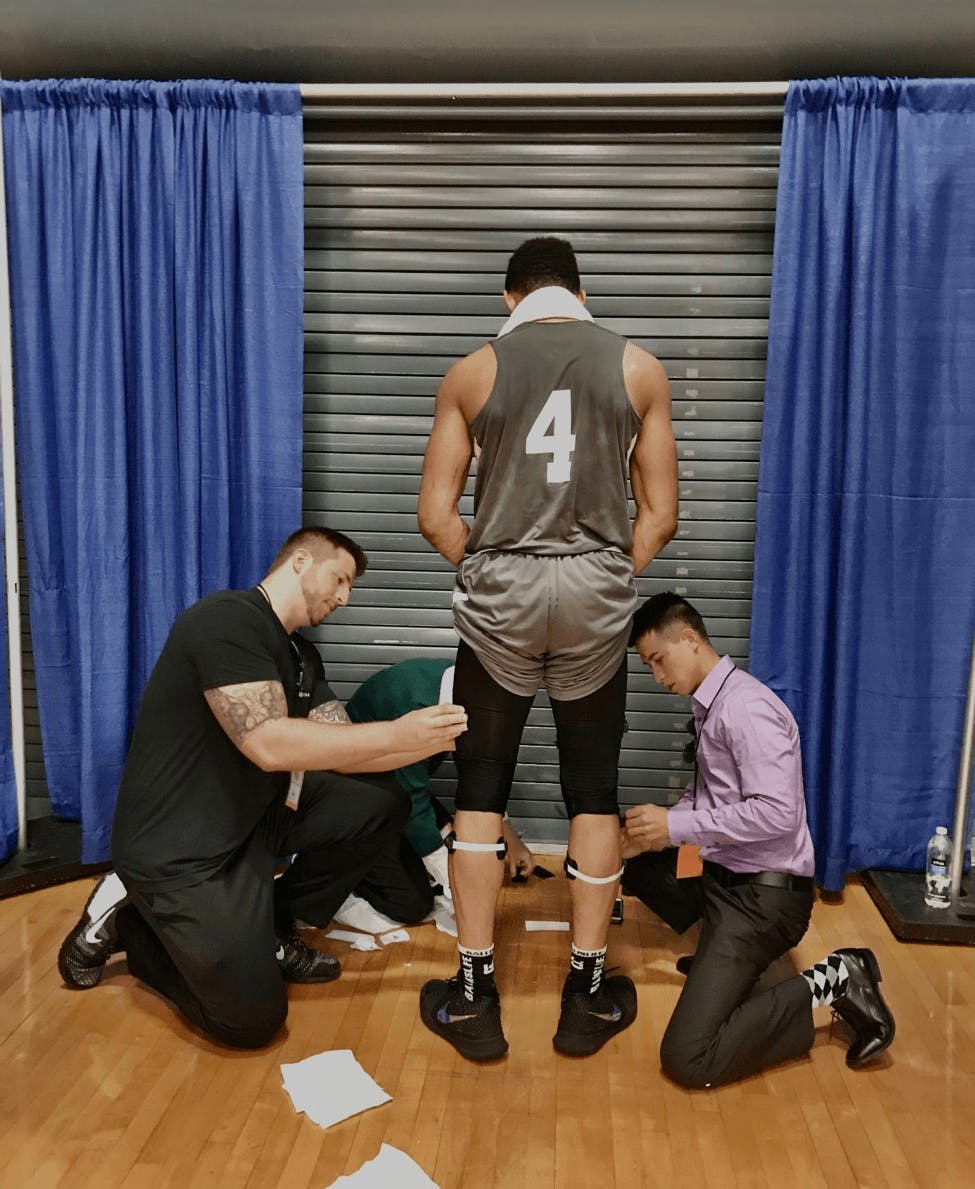
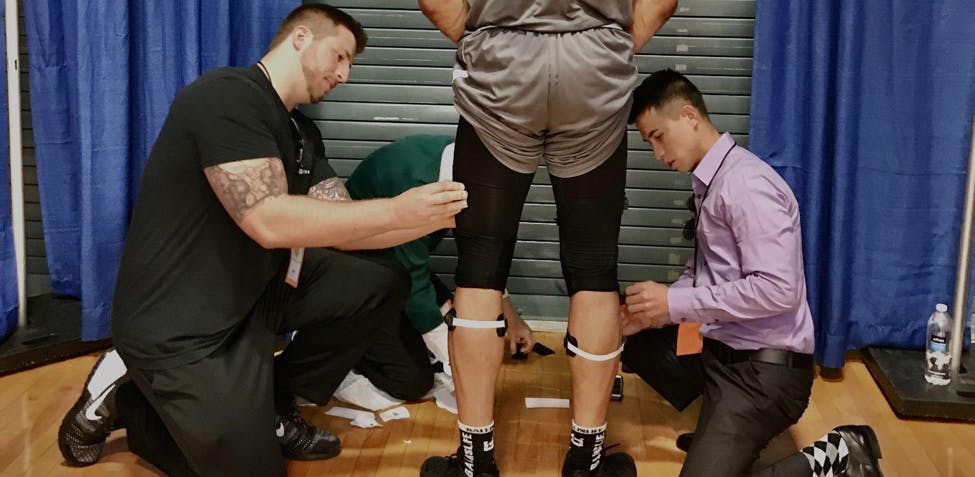
Professional athletes undergo rigorous pre-season screening to determine baseline function and introduce targeted training programs so that they can perform at their best in-season, without the risk of injury. Studies have shown that preseason screening identifies MSK injury risks in 12-32% of high performance athletes. (2,3)
FIGUR8 brings what was only available to professional athletes to your workforce through baseline MSK health screening that prevents injury by identifying those employees at risk and proactively addressing problem areas before they become MSK injuries.
2. Return injured workers to their job safely and up to 33% faster.
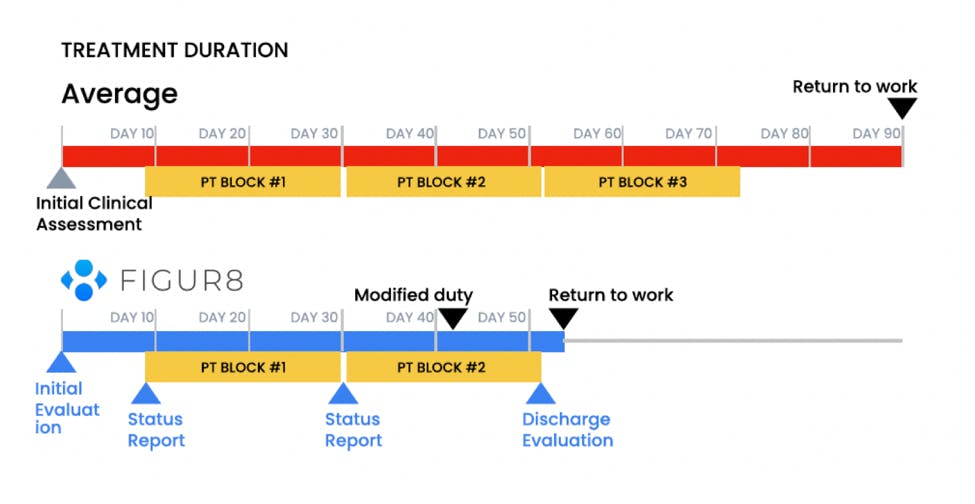
Deciding when an injured worker should return to their job is hard. FIGUR8 takes the guesswork out of these decisions by providing clinical data that inform return-to-work decision making and pinpoint the time that it is safe to return and reduce the likelihood of re-injury, which can be as high as 53.4%. (4)
On average, injured workers can return to work nearly 2 weeks quicker when they use FIGUR8 sensor technology as a part of their recovery journey. This translates to an average savings of $2842 per MSK claim, assuming the average hourly wage for workers** in the United States (2021), due to the FIGUR8 sensor technology and artificial intelligence capability to tap into precision MSK management.
3. Deliver precision MSK management
With traditional MSK care management, recovery is often assessed and guided via subjective complaints, like pain, or diagnostic imaging like an x-ray or MRI. These imaging techniques, while useful in some instances, are not as informative when it comes to understanding functional progress and recovery, both as a patient and as a clinician. In fact, research shows that imaging for patients with acute low back pain is of limited value as it provides no benefits for function, pain, or disability, may lead to worse health outcomes, and exposes people to unnecessary radiation (for x-ray and CT). (5)
The ability to visualize data from muscles in motion via sMMG technology gives clinicians a precise understanding of exactly where imbalances in the MSK system have led to an injury and the dynamic nature of the FIGUR8 system can pinpoint exactly where rehabilitation should focus in order to restore balance to the musculoskeletal system.
Imagine you are a physical therapist working with a patient through recovery after an ACL tear in their right knee. Traditionally, exercises would focus predominantly on the right leg muscles, including the quadriceps, to increase the strength of the surrounding area post-surgery and reinforce the surgically-repaired knee.
Using FIGUR8 in your practice, with its ability to collect bilateral muscle data during dynamic, functional movements, can reveal that the hamstrings on the left side of the body are significantly weaker than the right, perhaps due to compensatory movements. This new, measurable insight into exactly how balanced the musculoskeletal system is allows physical therapists and their teams to deliver more effective treatment and manage care more efficiently.
At FIGUR8 we believe that precision MSK health management is here. Clinicians and patients are finally able to leverage better data, to inform better decisions, and in turn deliver better outcomes all while lower medical spend.
To learn more check out our website or contact our team to request a demo.
References:
- United States Bone and Joint Initiative: The Burden of Musculoskeletal Diseases in the United States (BMUS), 4th edition, 2020. Rosemont, IL. Available at http://www.boneandjointburden.org. Accessed on September 14, 2021
- Adami, PE.; Squeo, MR.; Quattrini, FM.; Di Paolo FM. (2018) Pre-participation health evaluation in adolescent athletes competing at Youth Olympic Games: Proposal for a tailored protocol. British Journal of Sports Medicine. 53(17).
- Bakken, A.; Target, S.; Bere, T.; Adamuz MC.; Tol, JL; Whitely R.; Wilson MG.; Witvrouw E.; Khan, KM.; Bahr, R. (2016). Health conditions detected in a comprehensive periodic health evaluation of 558 professional football players. British Journal of Sports Medicine. 50 (18): 1142-50.
- Ruseckaite, R and Collie, A. (2013) The incidence and impact of recurrent workplace injury and disease: a cohort study of WorkSafe Victoria, Australia compensation claims. British Medical Journal. 3(3).
- French, SD.; Green, ME; Bhatia, RS.; Peng, Y.; Hayden, JA.; Hartvigen, J.;Iveers, NM.; Grimshaw, JM.; Booth, CM.; Ruland, L.; Norman, KE. (2019) Imaging use for low back pain by Ontario primary care clinicians: protocol for mixed methods study – the Back ON study. BMC Musculoskeletal Disorders. 20:50.
![[object Object]](https://images.prismic.io/figur8tech/Zovpqx5LeNNTw5zJ_Depositphotos_437789926_L.jpg?auto=format,compress)
![[object Object]](https://images.prismic.io/figur8tech/fb70cc79-bce7-401d-b520-f64481a57f15_Depositphotos_174412362_XL-min.jpg?auto=compress,format)
![[object Object]](https://images.prismic.io/figur8tech/ZpjFqh5LeNNTxQaz_unnamed.jpg?auto=format,compress)
![[object Object]](https://images.prismic.io/figur8tech/ZovljB5LeNNTw5wp_Depositphotos_360381548_L.jpg?auto=format,compress)
![[object Object]](https://images.prismic.io/figur8tech/ZiuNiPPdc1huK3Z8_hitrust.png?auto=format,compress)
![[object Object]](https://images.prismic.io/figur8tech/Ziuzo93JpQ5PTNBh_IMG_9695.jpeg?auto=format,compress)
![[object Object]](https://images.prismic.io/figur8tech/ZiucmPPdc1huK3fe_biomotion-sciences-3.png?auto=format,compress)
![[object Object]](https://images.prismic.io/figur8tech/ZiugufPdc1huK3hc_rehabilitation-1-.png?auto=format,compress)
![[object Object]](https://images.prismic.io/figur8tech/ZiuxMt3JpQ5PTM87_Oberlander.jpg?auto=format,compress)
![[object Object]](https://images.prismic.io/figur8tech/ZiulKPPdc1huK3ky_ACL-1.jpg?auto=format,compress)
![[object Object]](https://images.prismic.io/figur8tech/ZiupUvPdc1huK3oT_Back_Picture1_Cover.png?auto=format,compress)
![[object Object]](https://images.prismic.io/figur8tech/ZiunSPPdc1huK3lz_run-1001.jpg?auto=format,compress)
![[object Object]](https://images.prismic.io/figur8tech/ZvMBMrVsGrYSv25U_unnamed.jpg?auto=format,compress)